


In Short
If you’re deciding between a screened-in deck and a screen room, here’s the quick answer. A screened-in deck adds a roof and screens to your existing deck, keeping pests out while maintaining an open-air feel. A screen room is a new, enclosed addition attached to your home, offering more protection from Virginia’s weather and multi-season use.
When homeowners consider adding a comfortable outdoor living space, they often encounter two common terms: a screened-in deck and a screen room. While the terms may seem interchangeable, these are two distinct structures with different purposes and building requirements.
At Prince William Home Improvement, we can help you understand the purpose of each so you can make an informed decision for your Northern Virginia home.
How Does a Screened-In Deck Work?

A screened-in deck is an outdoor structure that features a roof and screens added to an existing deck frame. It provides protection from insects and partial shelter from the sun and rain.
- Uses an Existing Deck Foundation: A screened deck uses your current deck footprint, making it a cost-effective choice if you already have a deck. This option is a great way to improve an existing outdoor space.
- Keeps an Open-Air Feel: Screens allow fresh air and outdoor sounds to pass through while keeping pests away. This design maintains a connection to your yard and the natural surroundings.
- Limited Climate Control: With no insulation or solid walls, its use depends on the weather and is less comfortable during extreme heat or cold. The open nature of the screens provides limited protection from temperature swings.
What is the Difference Between a Screen Room?
A screen room is a more permanent structure, fully enclosed with a roof and screens. It is typically built as an extension of the home.
- Built as an Addition: A screen room, often called a screened-in porch, is attached directly to the house and functions as a separate room. This structure provides a more protected and versatile space for your family.
- More Protection From the Elements: With a solid roof and walls, furniture and décor are better protected from Virginia’s rain, wind, and pollen. The full enclosure makes it a more reliable space to use throughout the day.
- Requires Permits and HOA Approval: Since it is classified as a new addition, permits and HOA approvals are usually required. This step ensures the structure meets local building codes and community regulations.
What Is the Technical Difference?
| Feature | Screened-In Deck | Screen Room |
| Foundation & Structure | Uses existing deck foundation; adds roof and support posts. | Requires new foundation and framing tied to the house. |
| Enclosure Materials | Fiberglass, polyester, or mesh screens may include a kickplate. | Screens or PVC panels for more weather resistance. |
| Roofing Options | Roof added on top of deck; solid or screened options. | Solid roof attached to home’s roofline or a screen roof. |
| Permitting | Simpler process since base exists; still must meet codes and HOA rules. | More extensive permitting, architectural drawings, and inspections. |
| Usability | Best for mild seasons; good airflow but no temperature control. | Usable for three to four seasons; greater protection from weather and pollen. |
| Cost & Value | Budget-friendly, adds value, but less than a full addition. | Larger investment, but increases square footage and resale value. |
How Does the Cost Compare?
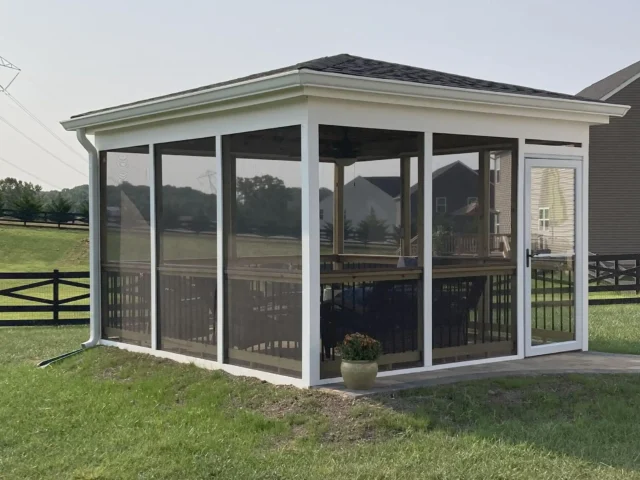
The final cost of your project is determined by whether you are screening in an existing deck or building a new screen room. While a screened deck is a more affordable option, a screen room represents a larger investment due to its more complex construction.
Screened-In Decks: What Drives the Cost?
This is the most budget-friendly option because it uses an existing structure. Screening in a deck costs between $10 and $25 per square foot, with a total project cost typically ranging from $2,000 to $5,000 for a standard 200-square-foot space. The final price depends on these factors:
- Deck Size and Condition: The cost is based on the square footage of the existing deck. If the deck requires repairs or reinforcement to support a new roof, the total cost will increase.
- Roofing Materials: Adding a solid roof for full rain protection will cost more than a simple screen roof. Materials like asphalt shingles or metal will affect the price.
- Screen Type: The type of screen material you choose affects the price. Fiberglass is the least expensive option, while durable, pet-resistant vinyl-coated polyester will be a higher investment.
Screen Rooms: What Drives the Cost?
These projects require new foundations and framing, which makes them a larger investment. A new screen room costs between $50 and $175 per square foot, with a total project cost ranging from $10,000 to $35,000 for a standard 200-square-foot space. The cost is determined by these components:
- Foundation and Framing: A new concrete slab and framing are required for a screen room. These materials and the labor for their installation are a major part of the overall cost.
- Size and Design: The cost is directly tied to the room’s square footage and the complexity of the design. A simple rectangular room will be less expensive than a custom, multi-angled one.
- Finishing Touches: Additions such as lighting, electrical outlets, ceiling fans, or specific flooring types will increase the overall price. The number of doors and windows also affects the final cost.
While a screened deck is budget-friendly and improves outdoor enjoyment, a screen room adds more long-term resale value because it is classified as an additional enclosed living space.
How Is a Screen Room Installed?
Building a screen room in Northern Virginia is a multi-step project that requires planning, permits, and professional installation. Here’s what the process looks like:
- Planning & Permits: Your contractor designs the space, secures permits, and obtains HOA approvals from Prince William County or your local jurisdiction. This ensures the project complies with all local regulations.
- Site Preparation & Foundation: A new concrete slab is usually poured for stability. In some cases, an existing deck or patio can be reinforced to support the new structure.
- Framing & Enclosure: The structure is framed with aluminum or wood, then enclosed with screens or panels to form the walls and roof. This phase establishes the screen room’s final shape and form.
- Flooring & Finishing Touches: Flooring is installed, along with options like lighting, ceiling fans, or outlets, making the room comfortable for three to four seasons. These final details are added to make the space a functional living area.
Screened-In Decks Virginia FAQs
What is the best way to maintain a screened-in deck to prevent damage?
Regularly clean the screens with a soft brush and mild soap to prevent dirt and pollen buildup. You should also inspect the deck’s wood and apply a fresh stain or sealer every two to three years to protect it from moisture.
What are the structural requirements for a screen room addition?
A new screen room must have a proper foundation, such as a concrete slab, and framing that is structurally tied to the home. This ensures the room can support the roof and withstand local weather conditions.
What are the benefits of a screen room?
A screen room offers greater protection from Virginia’s weather, making it a versatile space for dining, entertaining, or relaxing in multiple seasons. The enclosure also protects your furniture from rain and sun.
Do I need a permit for a screened-in deck in Virginia?
Yes, both screened-in decks and screen rooms require permits. Screened decks usually involve a simpler process, while screen rooms often require HOA approval and architectural plans.
What is the most durable screen material for Virginia weather?
Vinyl-coated polyester is highly durable against UV rays, moisture, and tears. Fiberglass mesh is a more budget-friendly option, but it can tear more easily when exposed to sharp objects.
Get a Free Estimate From Prince William Home Improvement
Choosing the right outdoor structure is an important decision. Prince William Home Improvement has been serving Northern Virginia homeowners since 1986, specializing in custom decks, screened-in decks, and screen rooms.
Contact us today to explore your options and get a free estimate!