


Ever wondered if that lovely covered space wrapped around a house is a porch or a veranda? Understanding the core difference between porch vs veranda is key to choosing the proper structure for your home’s size and your outdoor lifestyle. The simple difference comes down to size and scope! A veranda is expansive—a sweeping, roofed gallery that often runs along two or more sides of the home. A porch is typically smaller, centered over one entrance, and focuses on shelter and formality. If you dream of wide-open outdoor living with room to lounge and dine, read on to figure out if your home needs the grand scale of a veranda or the welcoming intimacy of a porch.
Veranda vs Porch: What’s the Difference?
The distinction between a porch vs veranda primarily rests on the structure’s length and the number of sides of the home it covers.
What is a Veranda?
A veranda (or verandah) is a large, roofed, open gallery or platform that extends outward from the house and often wraps around multiple sides of the structure. It is designed for extended outdoor living and can accommodate multiple activity zones.
- Scale: Large and expansive.
- Placement: Typically runs along the full length of one side of the house and continues around one or two corners.
- Defining Feature: A fixed roof supported by railing and columns; its defining characteristic is its sweeping length.
What is a Porch?
A porch is a smaller, covered platform attached to the front or back of a house, primarily serving as a sheltered entryway or a defined sitting area.
- Scale: Smaller, focused, and generally contained.
- Placement: Typically centered over a single entrance (e.g., the front door).
- Defining Feature: A fixed roof supported by columns, focusing on framing a single entryway.
Key Differences Between Porch and Veranda
| Feature | Porch | Veranda (Verandah) |
| Scale & Length | Small, focused, and contained to one area. | Large, sweeping; often runs the full length of a wall or wraps around corners. |
| Architectural Purpose | Shelter for an entrance; transition space. | Large-scale outdoor living, lounging, and entertaining. |
| Typical Location | Front entryway; sometimes a small back entrance. | Usually runs along the side and back of the home. |
| Activity Zones | One primary seating area. | Multiple zones (e.g., dining, lounging, reading). |
Benefits of a Veranda
A veranda’s primary benefit is the sheer amount of usable space it provides for outdoor activities.
- Expansive Outdoor Living: A veranda provides enough area to accommodate distinct zones, such as a full outdoor dining set at one end and a living room arrangement at the other.
- Versatile Views and Sun Control: Spanning multiple sides, a veranda allows you to move to different sections to follow the sun or find shade at any time of day, offering varied vantage points of the property.
- Architectural Grandeur: The sweeping design adds a classic, stately appearance, mainly to large or rural properties.
Benefits of a Porch
A porch offers unique benefits centered around integration and simplicity.
- Curb Appeal and Formality: A front porch significantly enhances the home’s exterior appeal, framing the entry and providing a sheltered spot to welcome guests.
- Structural Simplicity: Because it is smaller, a porch often requires simpler foundation work and may be easier to integrate into an existing roofline than an expansive veranda.
- Effective Shelter: Even a small porch provides dependable shelter over the entrance, keeping rain, snow, and direct sun off the doorway and steps.
Veranda vs Porch: Which Is Better for Your Home?
The selection depends on what you value more: expansive space for activities, or focused shelter and architectural symmetry.
When to Choose a Veranda
A veranda is the ideal option when space, luxury, and a variety of outdoor activities are your top priorities.
- You Need Multiple Zones: Select a veranda if you require separate dedicated spaces for dining, conversation, and reading all under one roof.
- Your Home is Large: The sweeping scale of a veranda complements larger, multi-story, or classic farmhouse architecture better than a small, contained porch.
- You Want Maximum Sun/Shade Options: The wrap-around design lets you move to the side of the house where the light or view is best at that particular moment.
When to Choose a Porch
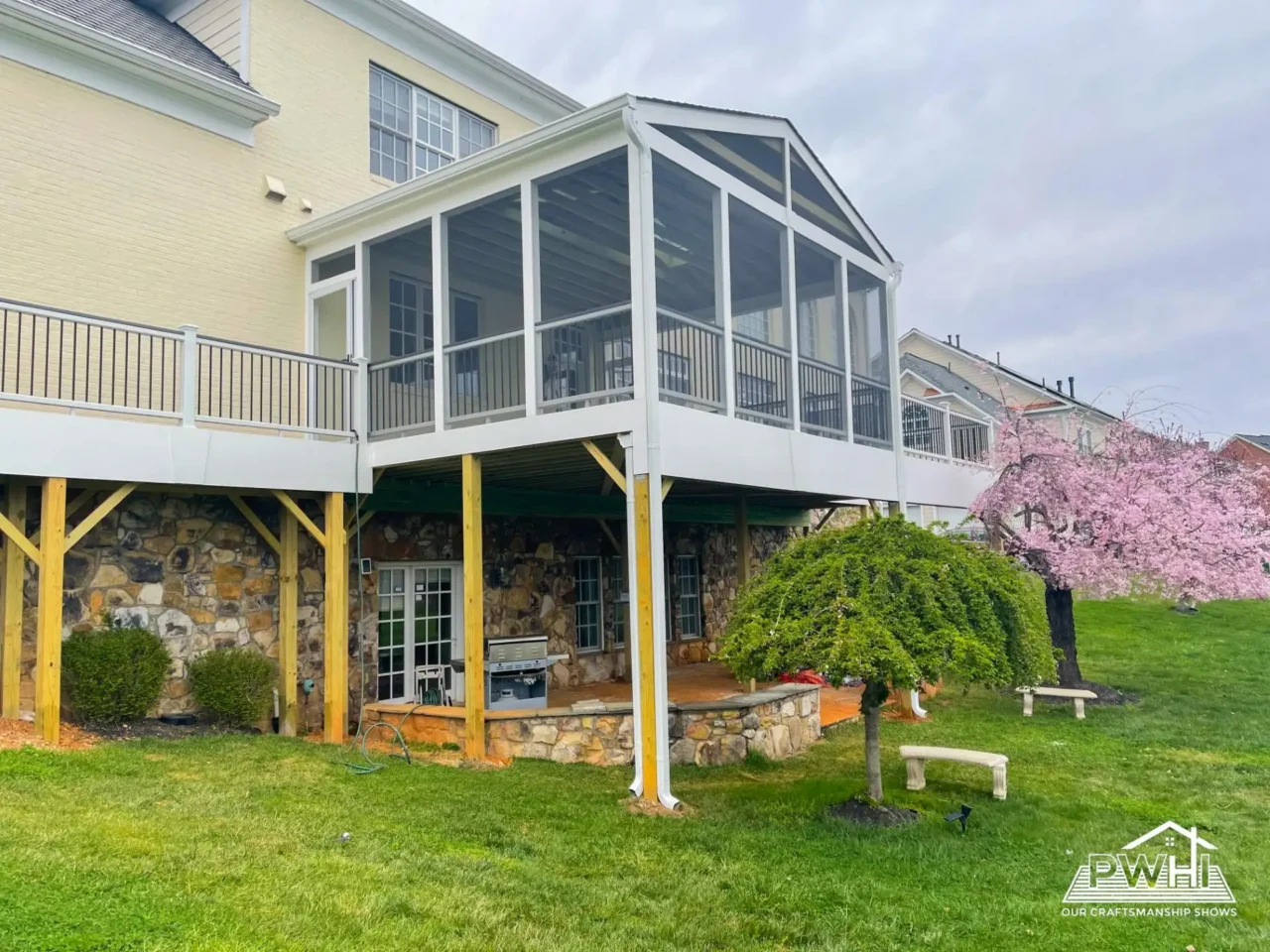
A porch is the better solution when your main goals are a defined entrance, shelter, and cost efficiency.
- Your Home is Compact: A smaller property or bungalow often looks best with a proportional porch that complements the entryway without dominating the exterior.
- You Seek Screened Comfort: If your primary goal is to create a screen porch for bug protection, a smaller porch is faster, less costly, and less complex to enclose than a massive veranda.
- You Prioritize the Front Facade: When the structure’s main purpose is to improve the street view and formal entrance, a centralized porch achieves this perfectly.
Making the Right Decision Based on Your Lifestyle and Home Style
| Home Style / Lifestyle | Recommended Structure | Reason |
| Farmhouse or Victorian | Veranda | The scale complements the grandeur and traditionally includes wrap-around elements. |
| Ranch or Cottage | Porch | A small, contained structure maintains the appropriate scale and charm. |
| Heavy Outdoor Entertaining | Veranda | Provides sprawling, designated areas for guests, furniture, and service. |
| Seeking Quick Shelter/Curb Appeal | Porch | Offers immediate definition to the entrance with simpler construction. |
Veranda and Porch Design Ideas for Your Home
Regardless of the structure you select, thoughtful design details will make the space truly stand out.
Veranda Design Ideas for Modern and Traditional Homes
Because a veranda offers such extensive space, design ideas should focus on material selection and defining the different activity zones:
- Modern Veranda: Opt for minimalist metal columns and light-colored composite decking for a clean, sleek appearance. Use large, simple potted trees to mark the transition between the dining zone and the lounging zone.
- Traditional Veranda: Incorporate decorative wooden spindle railings and white painted columns. Use hanging baskets and vintage light fixtures to improve the classic, flowing appearance.
Porch Design Ideas to Complement Your Home’s Aesthetic
Since a porch is centered on the entrance, design details should align closely with the home’s architecture.
- Craftsman Porch: Use thick, tapered wooden columns resting on brick or stone piers. Select a natural wood or dark composite decking floor to match the home’s earthy color palette.
- Colonial Porch: Opt for thin, white classical columns and traditional, white-painted wood railings. A beadboard ceiling adds a sophisticated, indoor feel to the protected space.
Maintenance Considerations: Veranda vs Porch
Maintenance needs are similar for both structures, but the sheer size of a veranda dictates more time, labor, and material costs for long-term care.
Veranda Maintenance Requirements
Due to the length and number of structural elements, a veranda requires a significant investment of time and materials for upkeep.
- Scale of Effort: Cleaning, painting, or staining the decking, railings, and columns will require a substantial amount of labor due to the structure’s size.
- Gutter and Roof Line: The longer roofline requires extensive gutter cleaning and regular inspection to prevent water from accumulating around the home’s foundation.
Porch Maintenance and Care
A porch is less time-intensive to maintain because its surface area is much smaller.
- Targeted Care: Maintenance is focused on one area. If made of wood, staining the porch floor is a quick weekend job compared to the extensive surface area of a veranda.
- Foundation: Because it is structurally simpler, long-term foundation issues are often easier and less costly to address than those that might arise across the entire length of a veranda.
Why Choose Prince William Home Improvement for Your Veranda or Porch?
At Prince William Home Improvement (PWHI), we specialize in designing and building custom outdoor structures in Northern Virginia and Maryland. We understand the distinct demands of both grand verandas and compact porches.
- Project Management & Compliance: We acquire all necessary local permits and manage full compliance with all HOA regulations. We handle the complexity so you don’t have to.
- Guaranteed Quality & Warranty: As a TrexPro Platinum builder and an established Class A contractor, we back our projects with an unmatched, non-prorated warranty that covers both labor and materials.
- Flexible Financing: We offer a range of financing options, including low fixed-rate plans and promotional “same-as-cash” terms, to make your veranda or porch project more accessible now.
- 35+ Years of Expertise: Since 1986, we have established a reputation for high-quality craftsmanship and expert installation in outdoor living spaces.
Veranda vs Porch FAQs
What is the difference between a veranda and a porch?
The difference is size and scope. A porch is a smaller, covered structure centered over a single entrance. A veranda is a large, sweeping, roofed gallery that runs along the full length of a house’s side or wraps around corners.
Which is better for my home: a veranda or a porch?
A veranda is better for large homes and homeowners needing multiple outdoor zones (dining, lounging). A porch is ideal for smaller homes and homeowners who prioritize quick curb appeal and a sheltered entry.
Can I add a screen porch to either a veranda or a porch?
Yes. Both structures can be enclosed with screening because they already have a floor, columns, and a fixed roof. Enclosing a porch is typically faster and less costly due to its smaller size.
How do I determine whether a porch or veranda is the right choice for my outdoor space?
Base your decision on scale and purpose. If you need an area solely for an entrance shelter, choose a porch. If you need a structure large enough to host multiple furniture sets and activities, choose a veranda.
Is additional foundation work required to add a roof to a large veranda?
Yes, typically. Existing verandas or decks built without a roof may lack footings deep enough or wide enough to support the added vertical load (weight) of a new roof, especially in areas with specific frost line requirements. A structural inspection is necessary.
Do building codes treat a veranda differently from a porch?
Yes, often. While both need permits, a veranda’s extensive length and proximity to property setbacks often trigger more complex zoning reviews than a small, centralized porch. Local codes dictate required railing heights and foundation depths based on the size of the structure.
Final Decision: Shelter or Sunlight
The final choice between a porch vs veranda comes down to scope and space. The porch offers focused, defined shelter, prioritizing the entrance. The veranda provides expansive, multi-zoned coverage for outdoor living. By assessing the practical differences in construction and maintenance, you can confidently select the structure that will add the most value and utility to your home.
Your Key to Outdoor Living Starts Here
Your decision—veranda vs porch—sets the stage; let us handle the performance. The complexity of constructing a sweeping veranda foundation or integrating a porch roofline requires specialized expertise.
We translate your vision for a grand, multi-zoned veranda or a charming, sheltered porch into a precise, structurally sound reality. We manage the permitting, the materials, and every technical detail in between, ensuring the finished product is an effortless addition to your home.
The time for deciding is over. The time for building is now.
Claim Your Free Consultation and Plan Your Custom Veranda or Porch Today!